Document Type : Research Paper
Authors
1
M.A. in Art Research, Faculty of Art, Shahed University, Tehran, Iran.
2
Associate Professor, Faculty of Art, Shahed University, Tehran, Iran, (Corresponding author).
Abstract
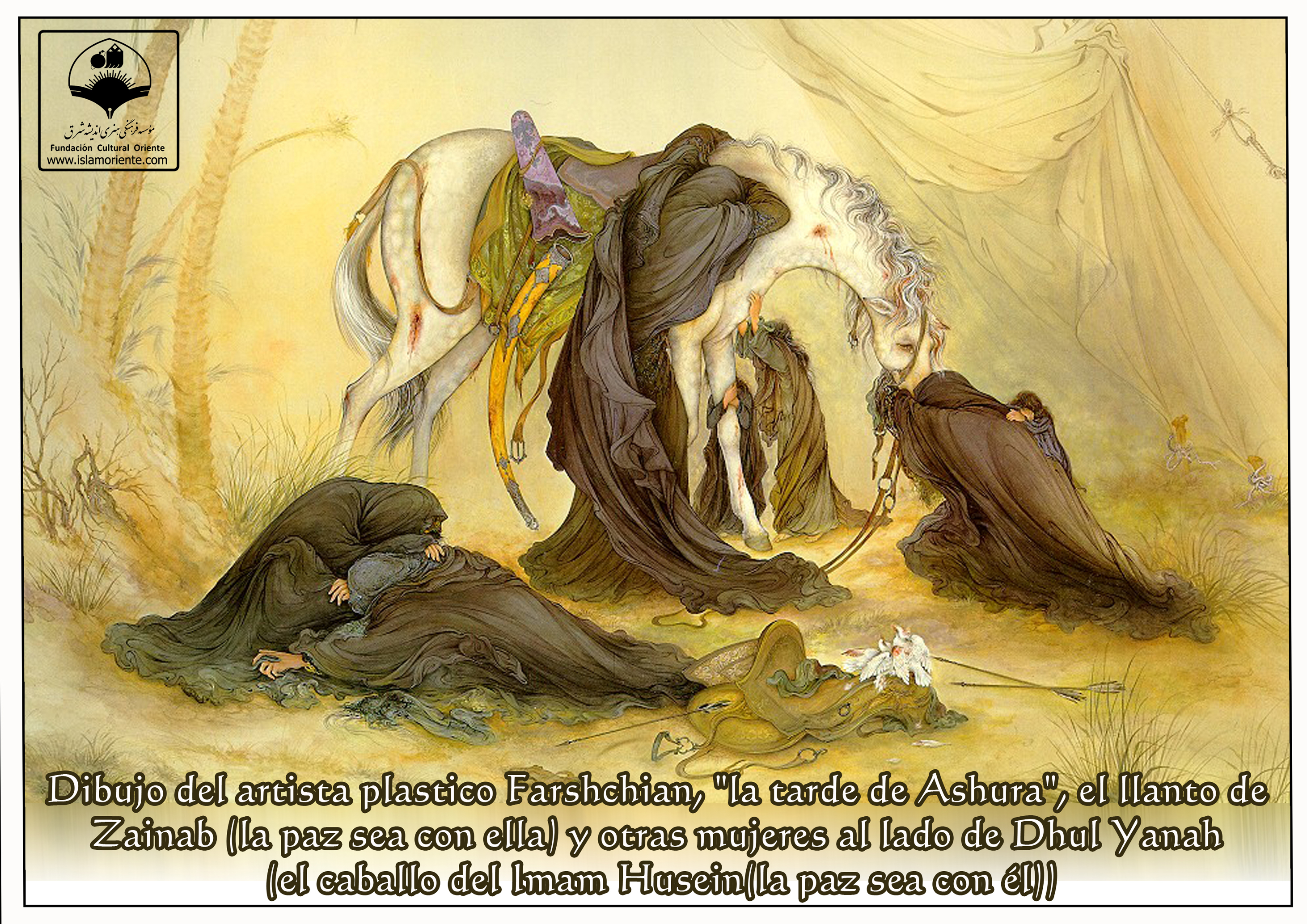
Introduction: Art in every era appears as a reflection of the thoughts, beliefs, and culture of a nation or ethnic group. Examining artworks from various historical periods provides important information about cultural achievements and the trends of development or decline in those eras, highlighting the significance of art in reflecting culture. Contemporary Persian painting has undergone significant transformations in recent years to preserve and revive earlier painting traditions. The presence of women in Iranian artworks throughout history is influenced by a general principle. The depiction of women in these works, from the perspective of natural, human, and imaginary elements, reflects the attitudes and perceptions of society and artists toward these elements. Scenes containing images of women are observed with various themes and in different forms within the realm of painting. One aspect that stands out in examining these images is the use of women's clothing in relation to their roles in artistic works. Women, as members of society, have always attracted considerable attention in literature and art, especially in visual arts like painting. Throughout all historical periods, women have been presented as significant elements in artworks, and artists have created remarkable pieces with particular attention to their representation. Mahmoud Farshchian, a Muslim and Shia artist, incorporates Quranic and religious themes into his works. His method showcases his unique interpretation of the world through symbols and images from a religious perspective. He is a prominent artist who has significantly influenced the people and artistic atmosphere of his time through the depth and breadth of his oeuvre. He has not limited himself to traditional methods, but has created a new and personal style through numerous innovations. Among his important innovations are more realistic portrayals in his paintings. On the other hand, many of his works are not dependent on texts like those of his predecessors, as he has strived to create an independent visual expression. Farshchian also addresses Shia and religious themes with characteristics rarely seen in earlier works. In depicting these themes, he pays great attention to symbolism, and in some of these works, women occupy prominent roles. In Farshchian's works, women are depicted at the height of power and grandeur, yet accompanied by modesty and appropriate attire. This research explores the cultural, social, and even political characteristics reflected in women's clothing in relation to the characters portrayed, and how these factors manifest in the form of symbols in women's garments. The necessity and importance of this paper lie in identifying how symbols and signs are utilized in the works of one of the great artists in the field of painting, and understanding their connection to the Islamic-Shia thought that emerges through the symbols and signs associated with women in Farshchian's works. This study can provide an interpretation of the artist's work through the language of symbols and artistic codes derived from Quranic and religious texts. This function is subtly and intelligently reflected in the visual signs of his paintings, such as garment design, colors, and patterns, which this analysis decodes using Roland Barthes' semiotic approach.
Purposes & Questions: The aim of this study is to conduct a semiotic analysis of women's clothing in the Quranic and religious paintings of Mahmoud Farshchian, based on Roland Barthes' semiotic approach, to uncover the hidden layers of meaning in the works of this prominent artist. This research seeks to answer the following questions: 1. What symbolic and semiotic characteristics does women's clothing in Mahmoud Farshchian's Quranic and religious paintings possess? 2. How does clothing in Farshchian's Quranic and religious paintings relate to the depiction of female characters?
Methods: This research is fundamental and theoretical in purpose and descriptive-analytical in nature. The study draws on visual and textual data collected through library and documentary research. Images of women appear in 271 of Farshchian's paintings, which account for 50.37% of his total works. The study sample comprises four paintings by Mahmoud Farshchian with Quranic and religious themes that have been purposively selected. In this study, visual elements such as color, form, pattern, composition, and clothing decorations in the paintings are analyzed and decoded as cultural signs. This approach helps uncover hidden dimensions of meaning in women's clothing in the examined works and allows for a multi-layered interpretation of the visual structure of the paintings.
Findings & Results: The research findings indicate that in depictions with Quranic themes, the forms and patterns of clothing are very luxurious and diverse, emphasizing the social status and personality traits of women. In contrast, in depictions with Shia themes, depending on the character portrayed, women’s clothing is depicted simply yet elegantly, reflecting their human dignity. The design of the clothing, along with the use of cuts and the depiction of attractive and fluid patterns on it, emphasizes the spiritual character of women.
Keywords